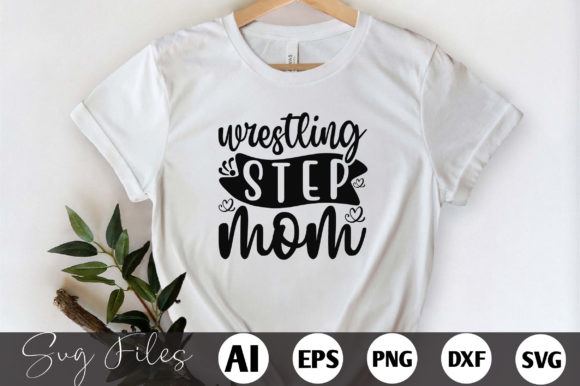
Wrestling Step Mom: A Designer's Take on Stitching Family Pride
As someone who spends more time at the embroidery machine than away from it, I've learned that the best machine embroidery design files aren't just about pretty pictures; they are about storytelling through thread. When I first pulled up the Wrestling Step Mom file on my screen, my immediate reaction wasn't just about the aesthetic—it was about the narrative potential. In the world of custom apparel and personalized gifts, context is everything. This isn't just a graphic; it's a badge of honor for a specific type of family dynamic that deserves recognition. For Etsy sellers and craft business owners, understanding the nuance of this design is the difference between a product that sits on a shelf and one that becomes a cherished heirloom.
First Impressions: Layout and Visual Personality
The visual personality of Wrestling Step Mom strikes a balance between sporty energy and maternal warmth. Unlike generic sports designs that often rely heavily on aggressive fonts or overly complex mascot imagery, this layout feels approachable. The typography appears sturdy, suggesting durability, which is essential when you are creating a handmade product meant to withstand the rigors of a wrestling season. The arrangement of elements suggests a design that breathes well, avoiding the cluttered look that can plague smaller graphics intended for T-Shirt Designs.
From a designer's perspective, the mood here is supportive and proud. It captures the essence of the sideline parent—the one holding the water bottles, cheering through the noise, and providing the emotional anchor. When evaluating this as a potential embroidery project, I look at how the shapes interact. Does the text flow naturally? Are there awkward gaps that might cause fabric puckering? Initial observations suggest a solid foundation for a variety of applications, provided the stitch execution matches the digital promise.
Real-World Application: The Sweatshirt Scenario
To truly test the viability of any digital embroidery file, I like to visualize it in a specific real-life scenario. Let's imagine a customer comes to your small shop product line requesting a gift for a stepmother whose stepson just made varsity. They want something cozy but durable. A heavyweight cotton blend sweatshirt is the perfect canvas. Here, Wrestling Step Mom shines. Placed centrally on the chest or slightly higher near the collarbone, the design acts as a statement piece.
In this context, the design transforms from a simple image into a conversation starter at the tournament. It validates the stepmom's role in the athlete's life. For an Etsy seller, marketing this as part of a "Team Family" collection could be highly effective. Imagine pairing it with a matching design for the wrestler or the biological parents. The versatility allows it to work seamlessly as sweatshirt embroidery, where the texture of the fleece complements the density of the stitching. However, one must consider the stretch. If the design includes large areas of fill stitch, the fabric needs proper support to prevent distortion during wear.
Navigating Fabric Textures and Hoop Constraints
While the design shows great promise, practical application requires a critical eye toward limitations. Not every surface is created equal. If you plan to use this on a tote bag design made of canvas, the stability is excellent, and the stitch density should hold up well without sinking into the weave. However, moving to textured fabrics like waffle knits or looped towels requires caution. Detailed corners in the lettering might get lost if the fabric texture is too high.
Furthermore, consider the hoop size. If you are adapting this for a baby embroidery project, such as a onesie or a small bib, you must ensure the design scales down without losing legibility. Tiny lettering can become a blob of thread if reduced too much. Always check the minimum recommended size in the file details before committing to a small hoop. Similarly, curved surfaces like caps present a challenge. The curvature can distort the perception of the text, making it appear arched or uneven if not digitized specifically for hats. If this file is a standard flat embroidery format, proceed with care on structured caps.
Technical Considerations for the Professional Maker
Before running this design on a client's expensive garment, there are several technical boxes to check. First, always test the design on scrap fabric that matches the weight and texture of your final material. This is non-negotiable for maintaining professionalism. Pay close attention to the thread colors. High contrast usually works best for sports themes, but ensure the transition between colors doesn't create unnecessary jump stitches that could snag during washing.
- Stabilizer Selection: For stretchy fabrics like performance tees, a cut-away stabilizer is often superior to tear-away to prevent long-term distortion.
- Density Check: Inspect the satin stitch columns. If they are too wide, they may loop; if too narrow, they might not cover the fabric adequately.
- Mockup Testing: Create black and white mockups to see how the design reads without color distraction. This helps identify potential clarity issues.
- Licensing Verification: Since this product description mentions usage for shirts, mugs, and signs, confirm whether the license covers commercial sale of finished physical goods versus digital redistribution.
Enhancing Brand Value and Customer Trust
Using a well-executed design like Wrestling Step Mom directly impacts your brand consistency and customer trust. When a buyer receives a finished product where the stitching is crisp, the alignment is perfect, and the sentiment hits home, they are more likely to return. It elevates your craft business from a hobbyist operation to a boutique brand. The design's ability to convey emotion makes it a powerful tool for holiday embroidery gifts, birthday surprises, or end-of-season team parties.
For those selling design assets or printable mockups, showcasing this design on diverse products—from aprons to pillow covers—demonstrates its flexibility. It shows potential buyers that they aren't just buying a file; they are buying a solution for their creative endeavors. The key is presentation. Show the design on dark fabric to prove coverage, and on light fabric to show detail. This transparency builds confidence.
Final Verdict for the Creative Entrepreneur
In the crowded marketplace of commercial embroidery and handmade goods, specificity wins. Wrestling Step Mom targets a niche audience with precision. It acknowledges a modern family structure with pride and style. As a reviewer, I see strong potential for this design to become a staple in a sports-themed collection. However, its success relies entirely on the maker's attention to detail. Respect the fabric, choose the right stabilizer, and understand the limits of the stitch count.
If you are an apparel decorator looking to expand your catalog beyond generic slogans, this graphic offers a heartfelt alternative. Whether applied to a rugged gym bag or a soft nursery blanket, the core message remains powerful. Just remember to verify the specific file formats and hoop requirements included in your download, as these technical specs will dictate your workflow. With the right preparation, this design can help you create meaningful, high-value items that customers will wear and display with genuine joy.